Site power
Confirm voltage, available capacity, transformer margin and any planned PV or battery connection.
Start with how vehicles arrive, how long they remain, the power available at the site and how the charging service will be operated.
A useful proposal starts with site power, vehicle demand, connector requirements, payment and platform responsibilities.
Confirm voltage, available capacity, transformer margin and any planned PV or battery connection.
List vehicle voltage, connector, daily mileage, arrival pattern and the time available for charging.
Confirm public or private access, payment, OCPP platform, API, branding and service responsibilities.
Each guide links operating requirements to suitable charger ranges and the information required before quotation.
Plan power, bay turnover, payment and platform connectivity for public charging sites.
Recommended rangesINTEK-DC 20–80KW · INTEK-DC 80–180KWCombine overnight AC coverage with DC turnaround charging around route schedules and dwell time.
Recommended rangesINTEK-AC · INTEK-DC 20–80KW · INTEK-DC 80–180KW · INTEK-DC 240–480KWMatch charging speed to how long customers stay at hotels, malls, offices and commercial parking.
Recommended rangesINTEK-AC · INTEK-DC 20–80KW · INTEK-DC 80–180KWUse higher-power DC charging where short dwell time and continuous vehicle turnover drive the site design.
Recommended rangesINTEK-DC 80–180KW · INTEK-DC 240–480KW · INTEK-DC 240–1080KW Split SystemPlan high-power integrated or split charging around heavy-vehicle duty cycles and several charging bays.
Recommended rangesINTEK-DC 240–480KW · INTEK-DC 240–1080KW Split SystemDefine authentication, QR or POS payment, OCPP connectivity and project API requirements before production.
Recommended rangesINTEK-DC 20–80KW · INTEK-DC 80–180KW · INTEK-DC 240–480KW · INTEK-DC 240–1080KW Split SystemStart with the operating site. A higher power rating is useful only when the vehicle, cable, grid connection and daily charging plan can use it.
| Product family | Power range | Typical use | Selection cue |
|---|---|---|---|
| INTEK-AC Series | 3.5–22 kW | Homes, workplaces, hotels and long-stay parking | Use AC when vehicles remain parked for several hours. |
| INTEK-DC 20–80KW Series | 20–80 kW | Dealerships, service sites and smaller commercial parking | Use compact DC where faster turnover is needed without a large footprint. |
| INTEK-DC 80–180KW Series | 80–180 kW | Public sites, fleets, logistics parks and commercial hubs | Use the main DC range for two-connector commercial charging and regular daily turnover. |
| INTEK-DC 240–480KW Series | 240–480 kW | Bus and truck depots, transport hubs and high-use corridors | Use high-power DC when vehicle demand and the site connection support rapid turnaround. |
| INTEK-DC 240–1080KW Split System | 240–1080 kW | Large multi-bay hubs and heavy commercial depots | Use a split system when one power cabinet must allocate output across several dispensers. |
Payment, platform and communication choices can affect the final model and project scope.
Explore applications where stored energy is deployed to vehicles, work zones and temporary facilities when fixed charging bays or sufficient grid capacity are unavailable.
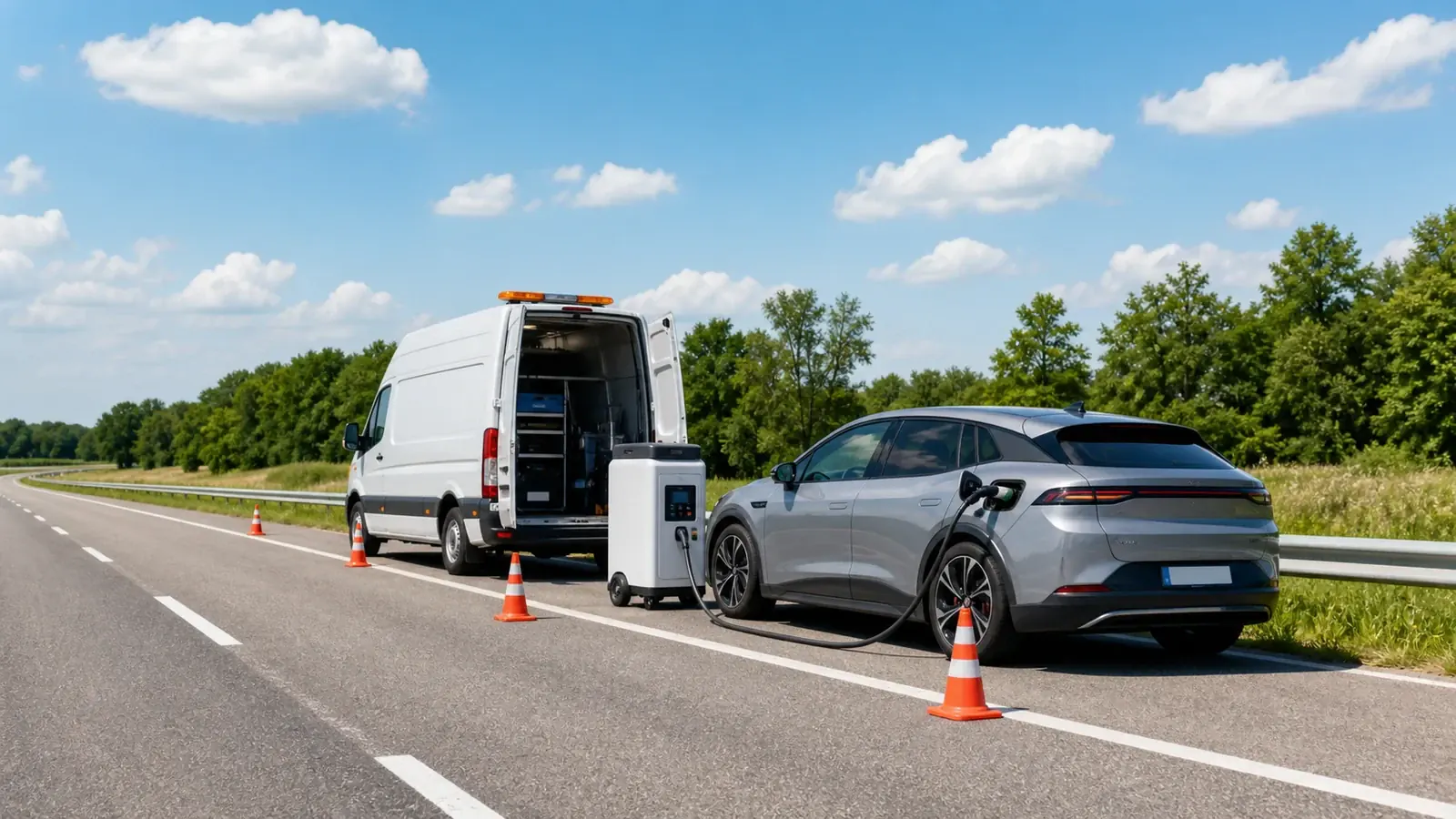
For recovery teams that need the correct connector, voltage and energy at the vehicle location.
View mobile-energy application →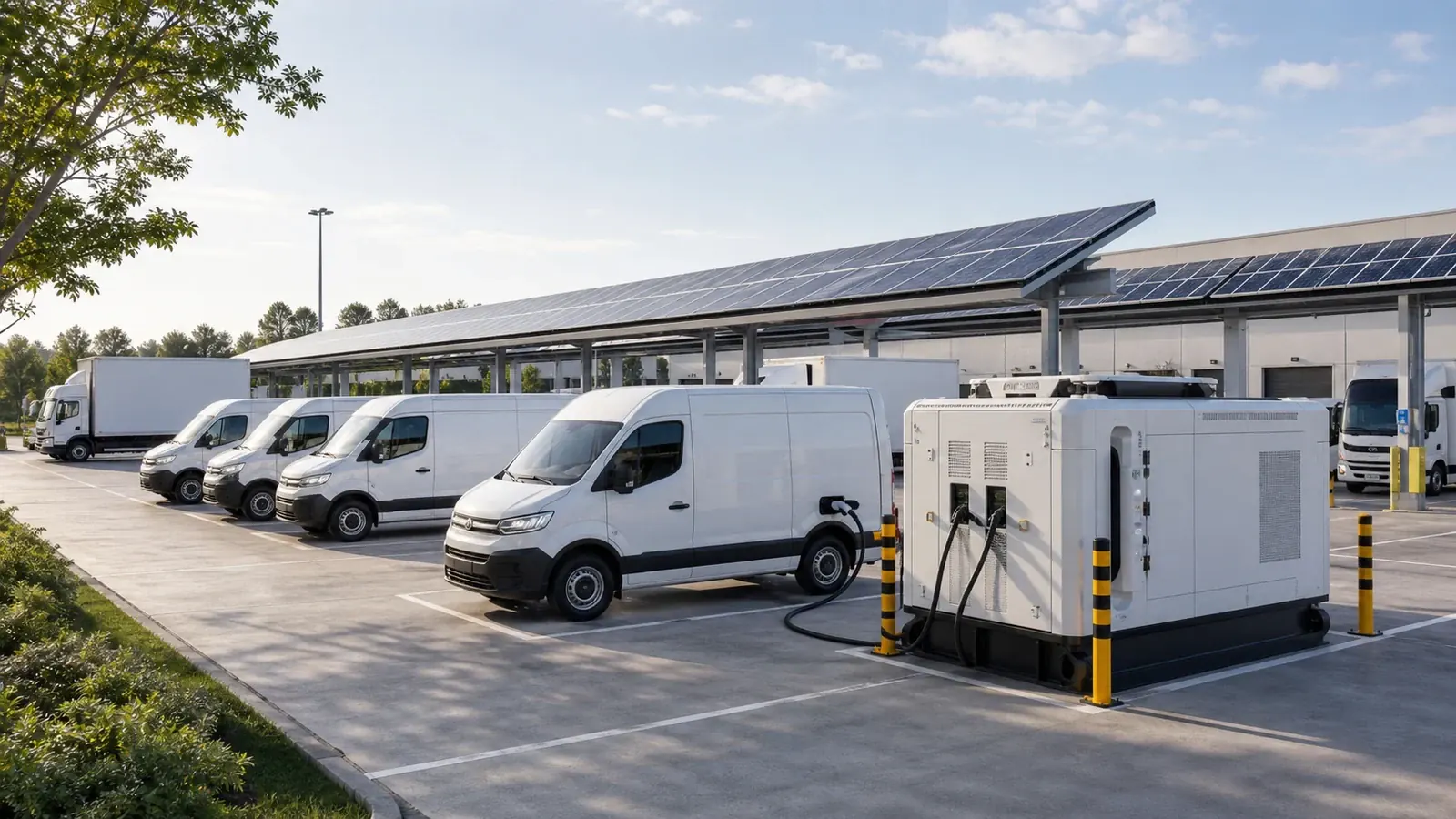
For depots that need more charging positions than the present grid connection or fixed bays can support.
View mobile-energy application →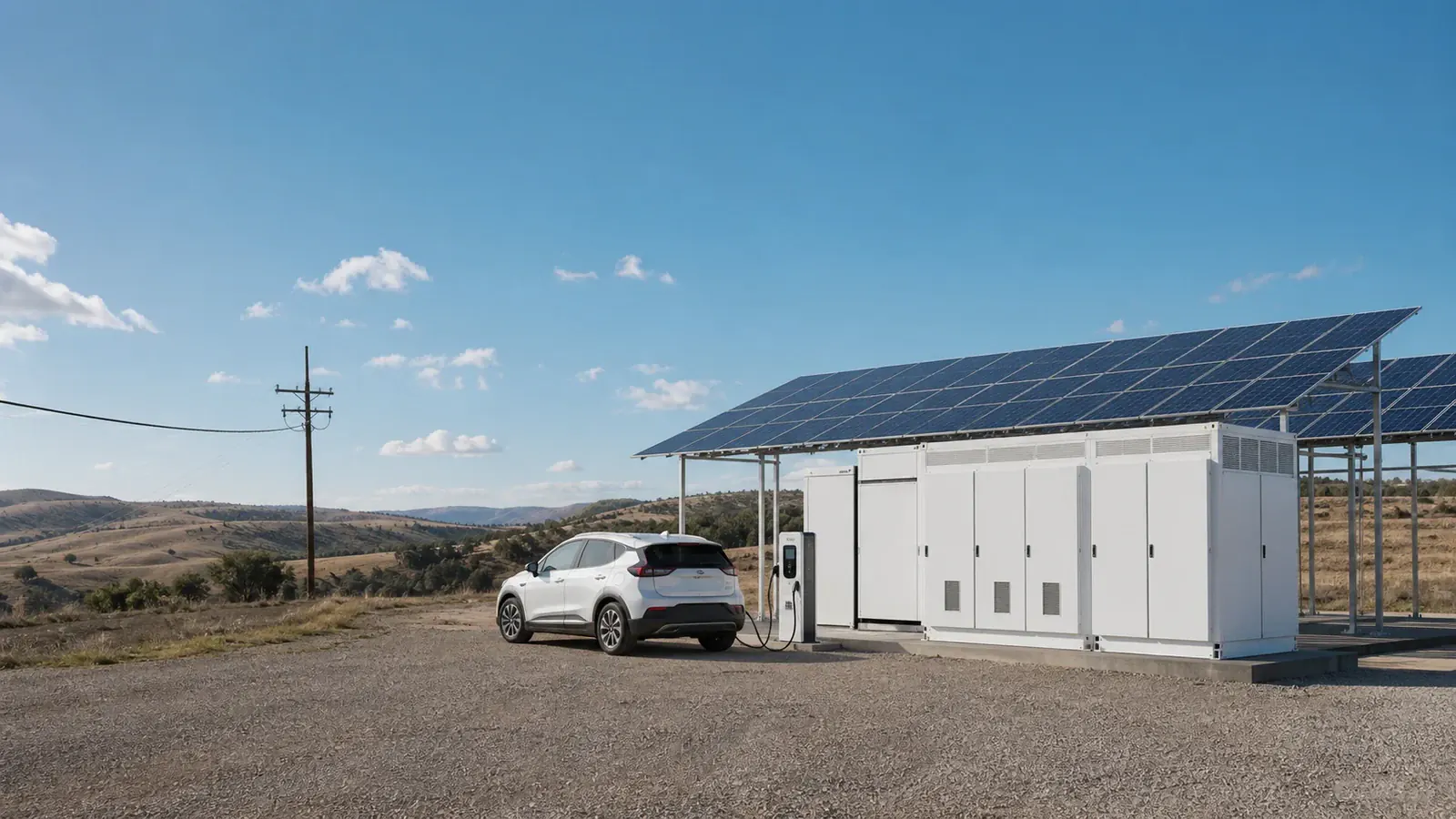
For sites that can collect energy over time but need a higher output during vehicle charging or load peaks.
View mobile-energy application →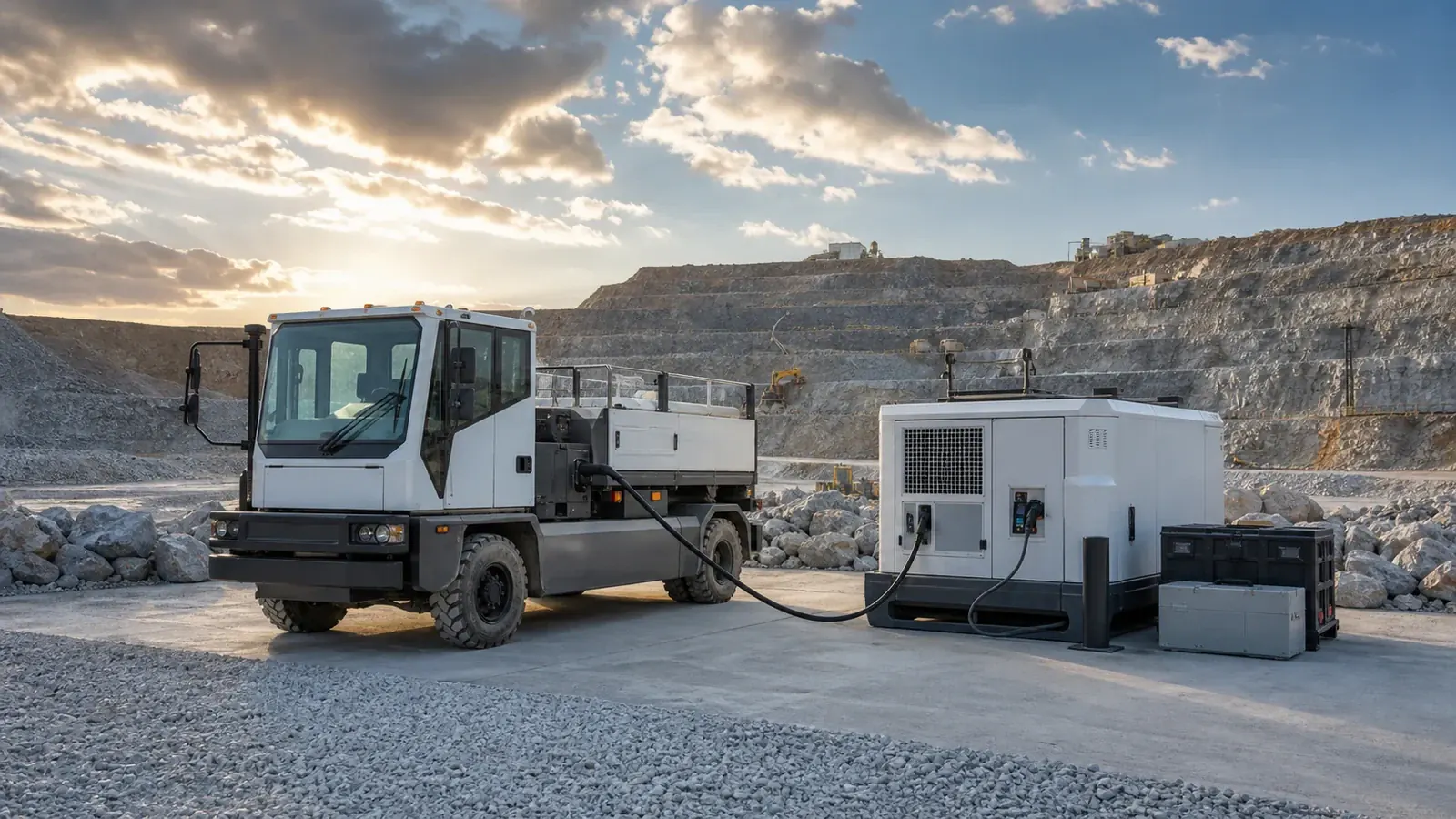
For mines, ports and yards where vehicles work away from permanent charging infrastructure.
View mobile-energy application →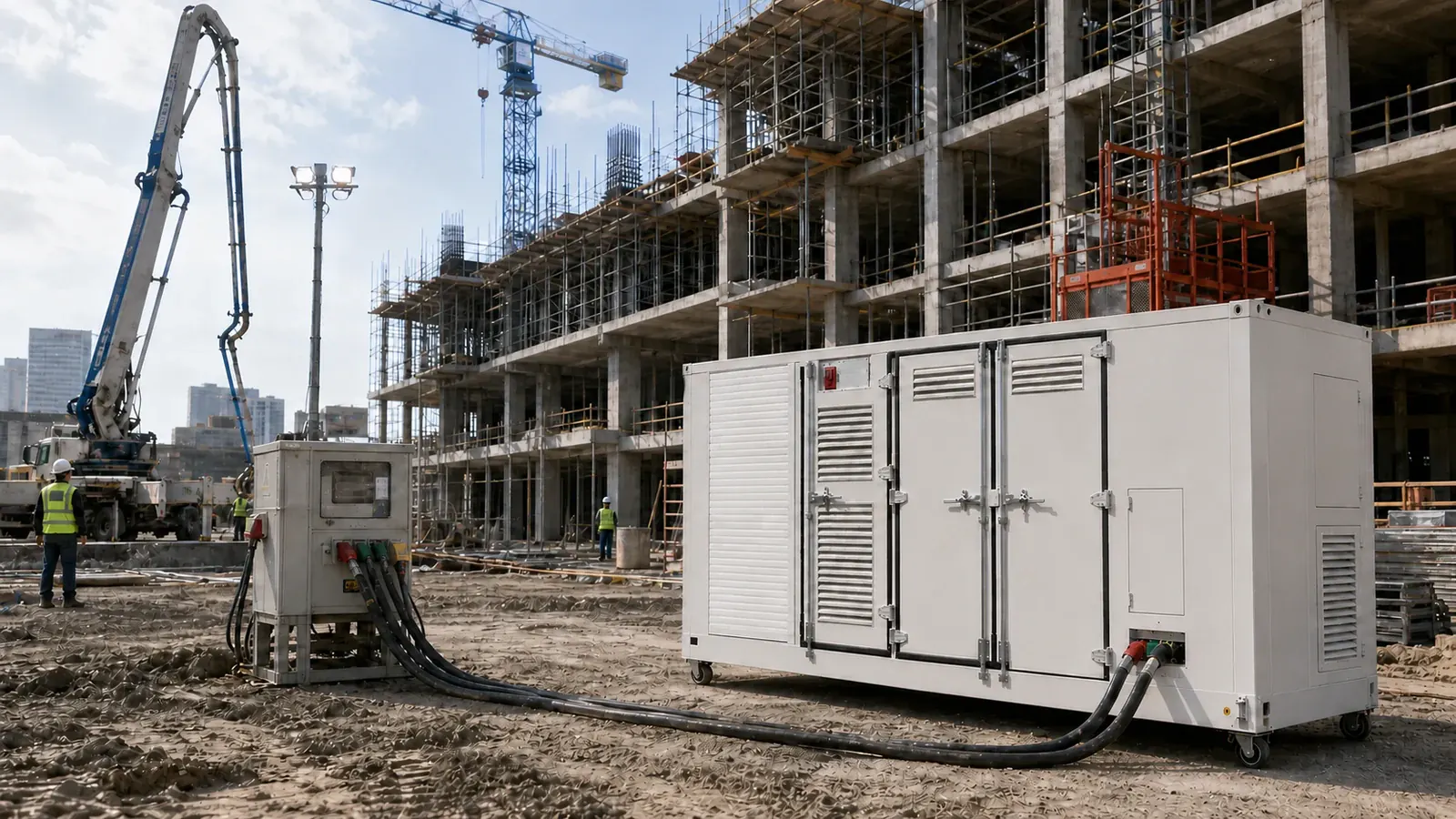
For project phases that need temporary AC or DC power before permanent distribution is available.
View mobile-energy application →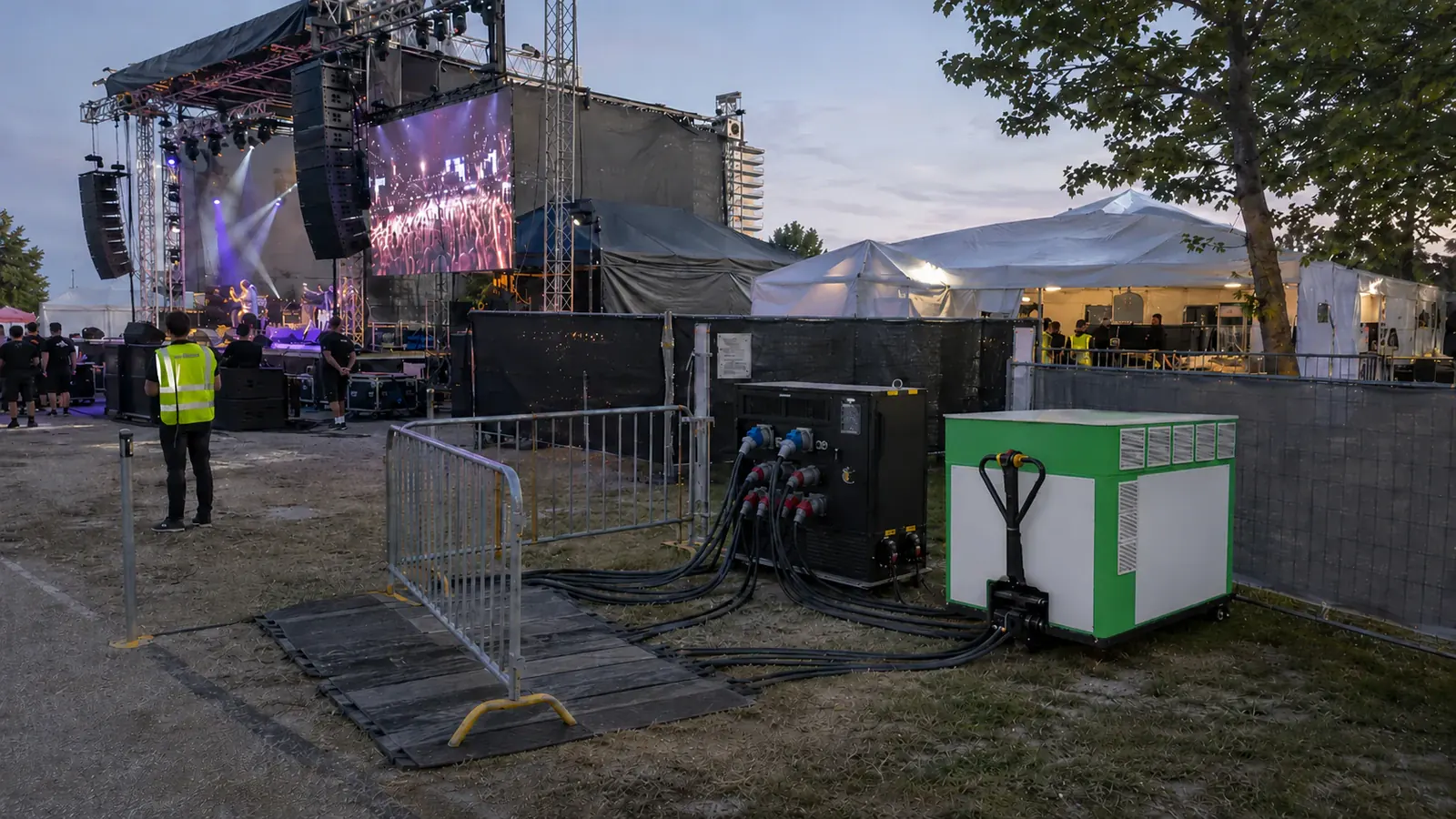
For venues that need quiet, movable power for a defined load schedule and operating period.
View mobile-energy application →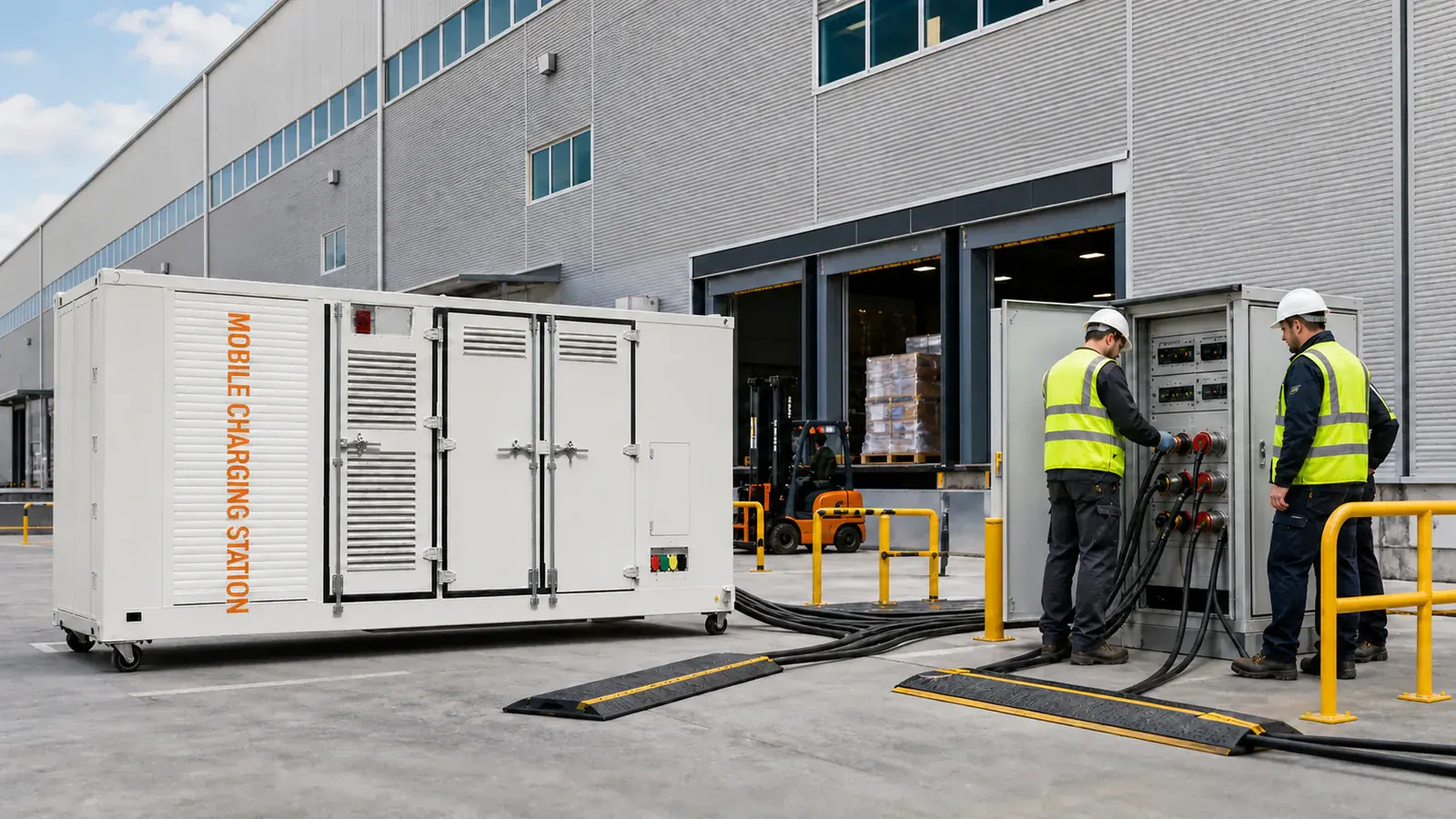
For selected factory, warehouse or commercial loads during planned work or temporary capacity limits.
View mobile-energy application →