Map daily demand
Estimate the vehicle mix, peak arrivals, required energy per session and acceptable waiting time.
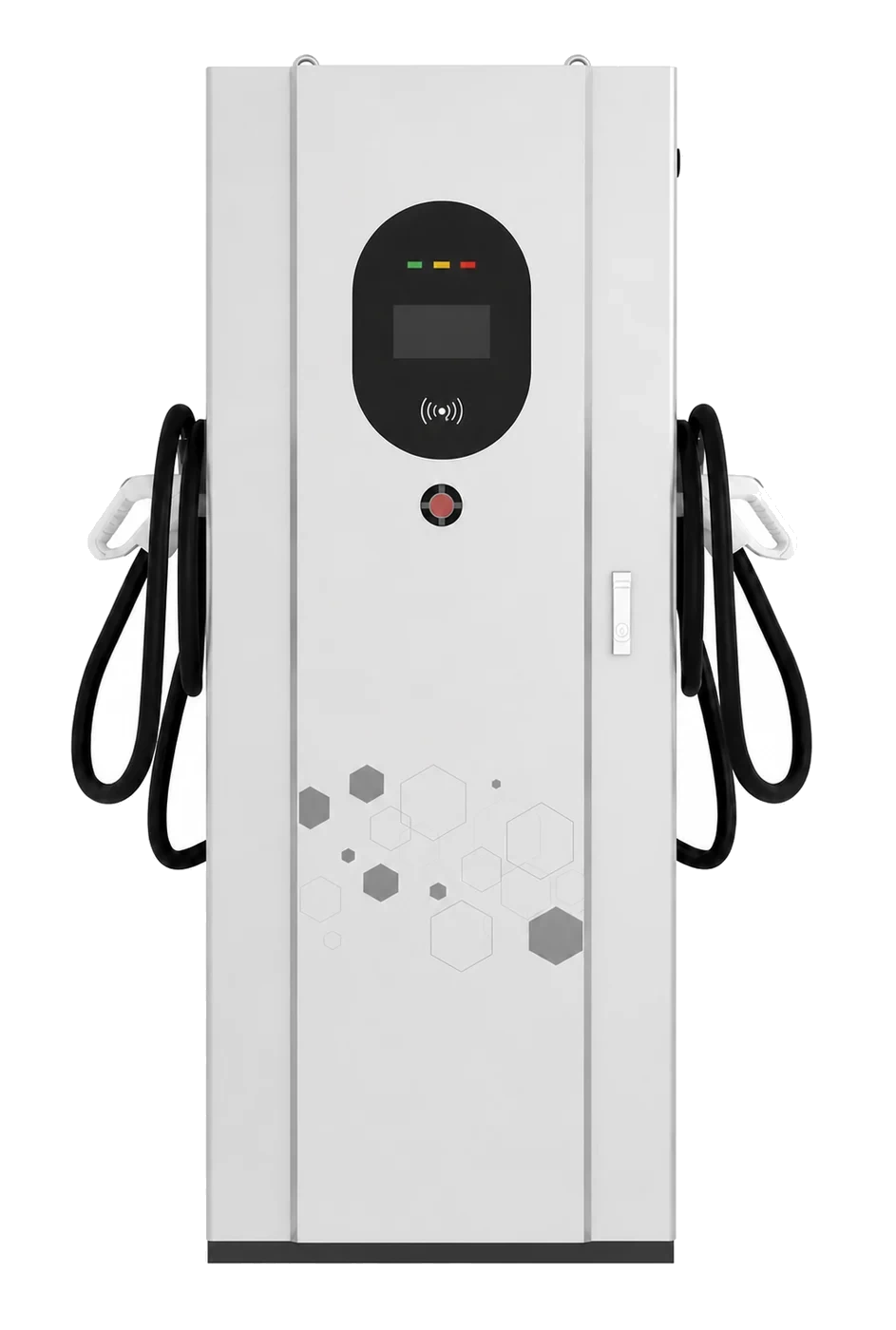
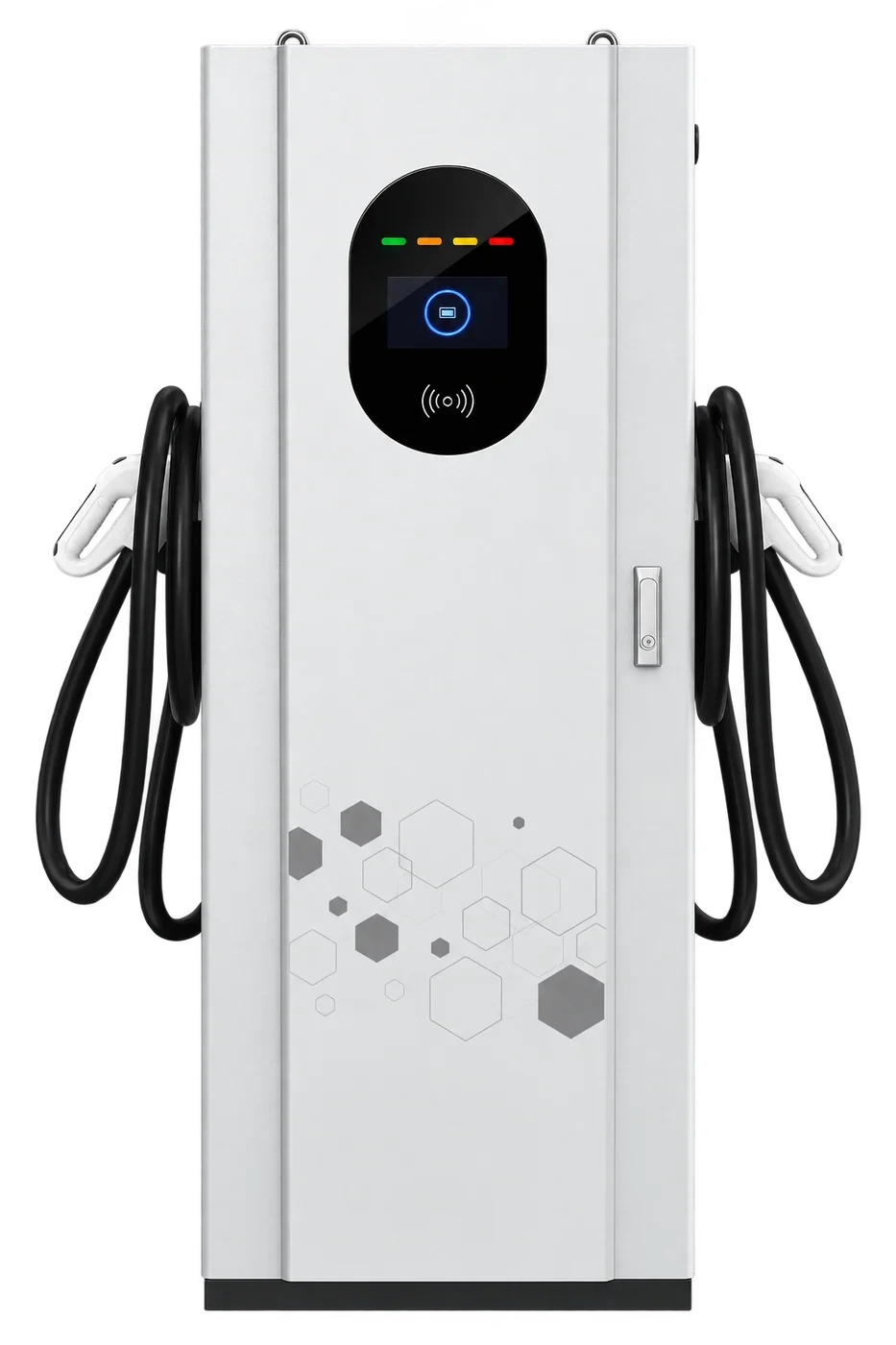
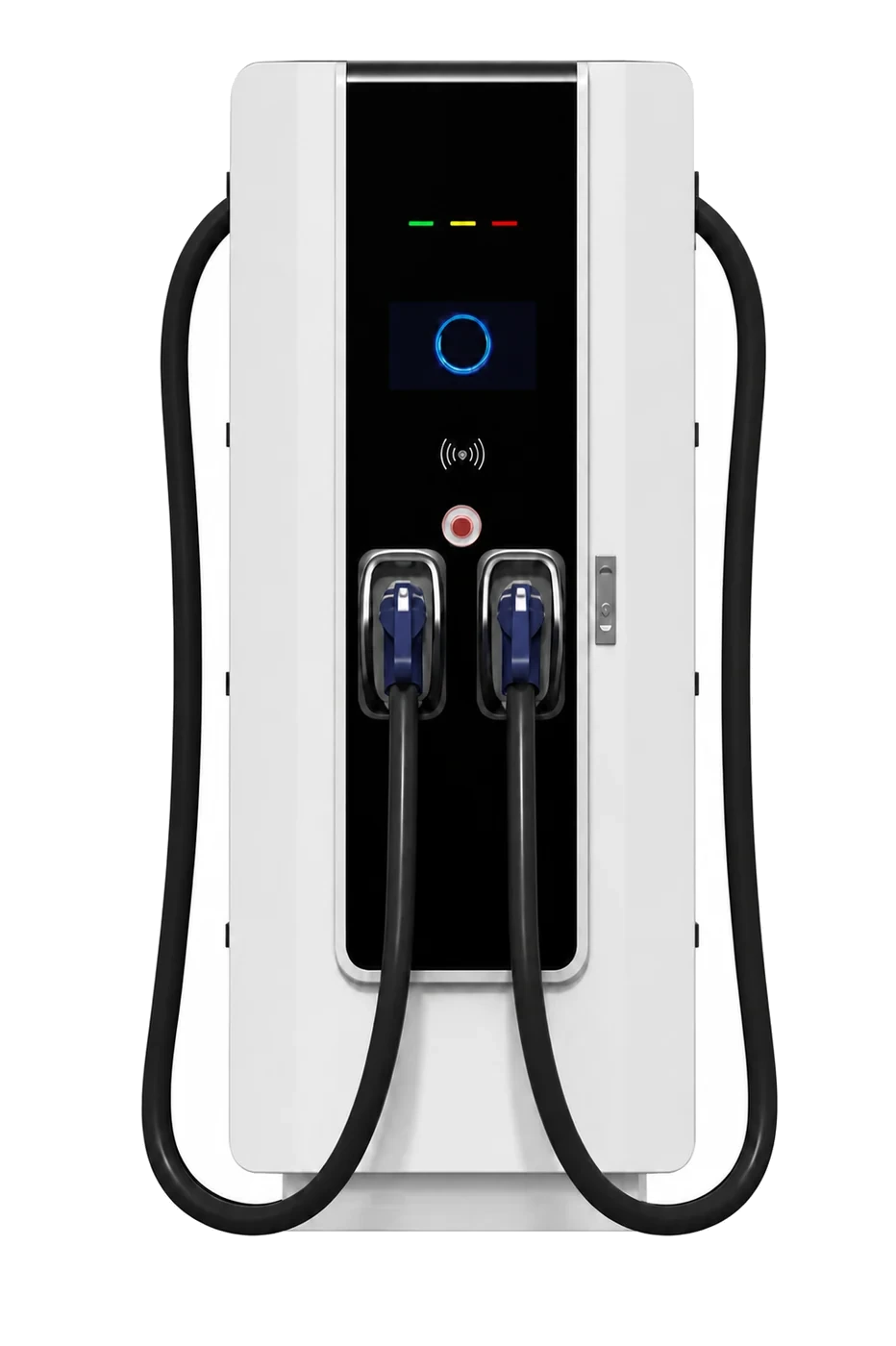
Plan a public DC fast-charging station around vehicle turnover, available grid capacity, connector standards, payment and OCPP platform requirements.
Public charging performance depends on more than the charger nameplate. Vehicle mix, peak arrivals, available site power, bay layout and the operating platform must be planned together.
Estimate the vehicle mix, peak arrivals, required energy per session and acceptable waiting time.
Compare 40–80 kW compact DC with 80–180 kW dual-connector systems against transformer and cable capacity.
Confirm public access, tariff, QR or POS payment, OCPP backend, remote monitoring and service responsibility.
Final sizing depends on the vehicle, connector, simultaneous demand and available site power.
Delivered branding, documentation, integration and warranty scope are matched to the final order.
The correct rating depends on vehicle charging curves, expected turnover, simultaneous sessions and available site power. A higher cabinet rating does not shorten every charging session.
OCPP, network communication and project API requirements can be configured, but the protocol version, backend responsibility and required data fields must be confirmed before quotation.
RFID, QR and POS options are available by project. The destination country, payment provider, settlement route and terminal certification requirements must be checked first.