Prepare energy at the base location
Solutions
Remote Industrial Operations
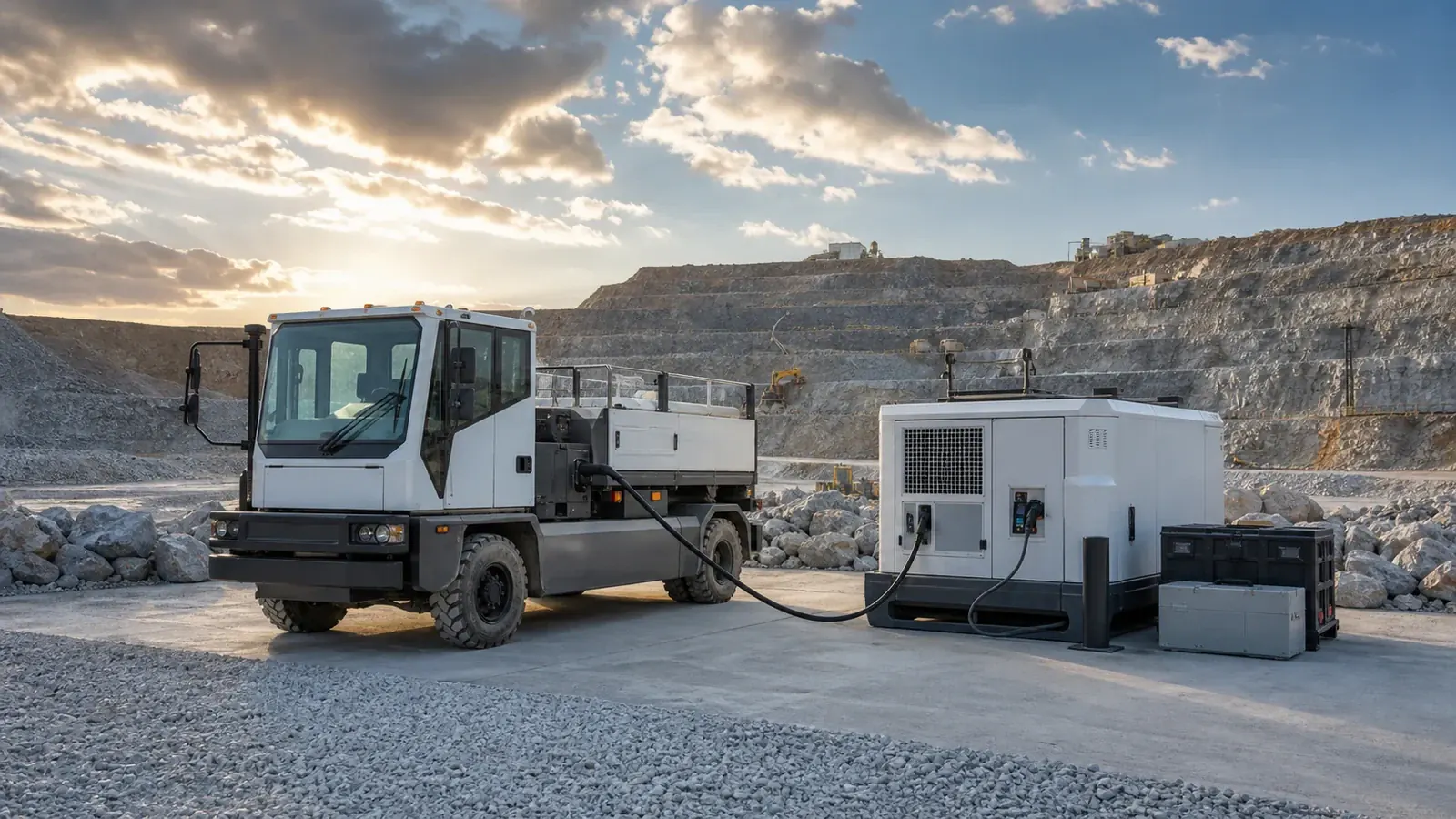
Move stored power to mines, ports, yards and operating areas where permanent infrastructure is difficult to reach.
Discuss this applicationChanging work zones
Place charging closer to vehicles in mines, ports and yards.
Mobile energy systems can follow changing work zones and support selected equipment without tying every load to a fixed charging bay or permanent power point.
Z200120G1000480G2V Series
Typical applications
- Mining and quarry sites
- Ports and logistics yards
- Remote maintenance
- Temporary operating zones
Application views
Remote industrial charging examples
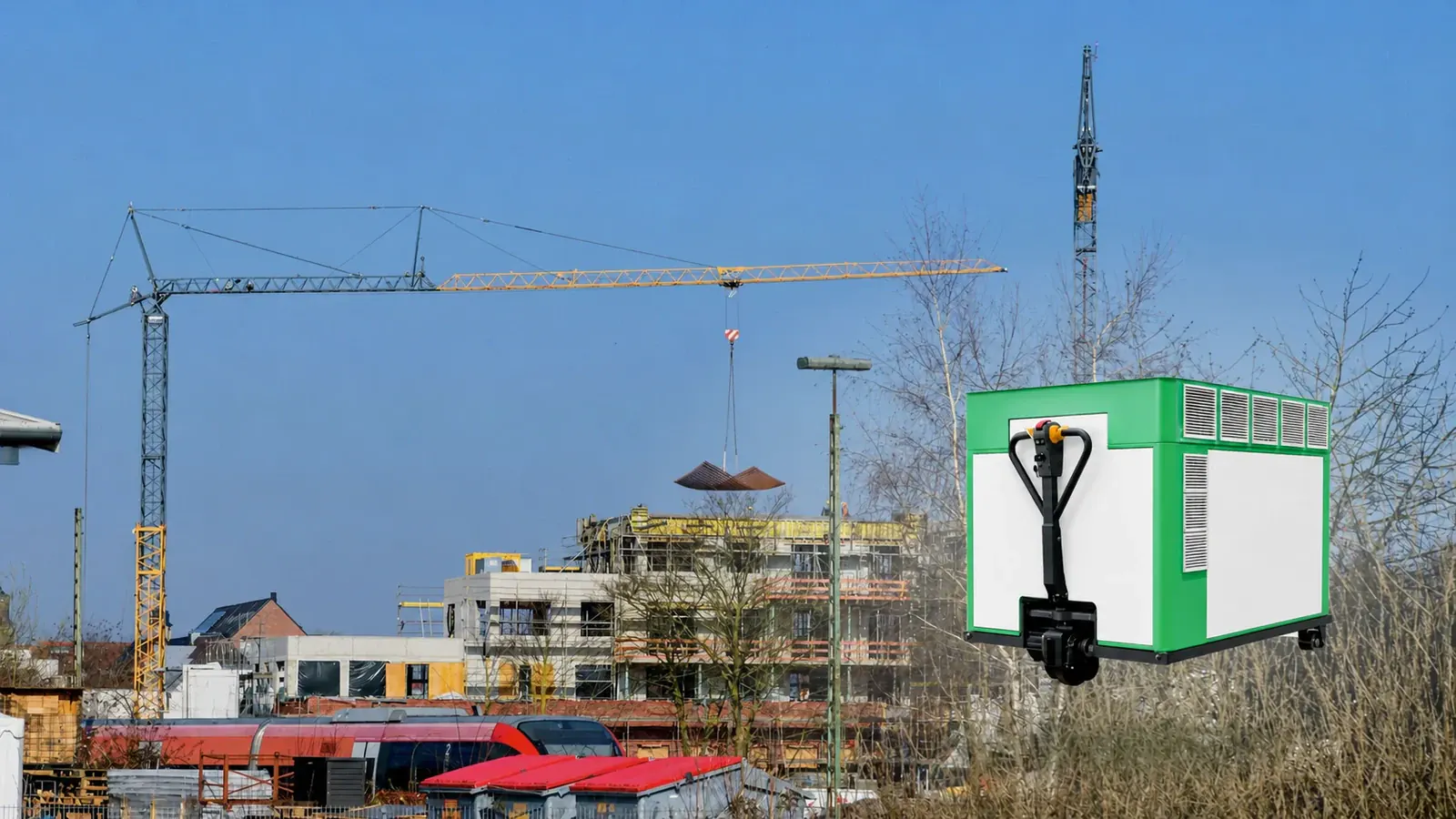
Field operation
Plan transport, charging duty and on-site replenishment.
Transport or reposition the system
Connect at the remote work zone
Monitor discharge and remaining capacity
Project inputs
Remote-site information required for quotation
- Transport route
- Dust and temperature conditions
- Load duty cycle
- On-site recharge method
Project FAQ
Size the application before selecting equipment.
Use these questions to prepare a technically useful quotation request.
What information is needed to plan remote operations?
Start with transport route, dust and temperature conditions, load duty cycle, on-site recharge method. These inputs determine the required power, usable energy, recharge window, interface and operating method before a model is proposed.
Which MAINERAY-selected equipment can support this application?
Z200120, G1000480, G2V Series are the initial equipment families to review. The final choice depends on the vehicle or load, available input, required runtime, transport route and destination-market requirements.
How are power, energy and recharge time sized?
Power in kW must cover the highest simultaneous load, while usable energy in kWh must cover the operating period. Recharge input and the available recharge window are then checked so the system can repeat the required duty cycle.