Kekuatan situs
Konfirmasikan volumetage, kapasitas yang tersedia, margin transformator dan sambungan PV atau baterai yang direncanakan.
Mulailah dengan bagaimana kendaraan tiba, berapa lama mereka tinggal, daya yang tersedia di lokasi, dan bagaimana layanan pengisian daya akan dioperasikan.
Proposal yang berguna dimulai dengan kekuatan lokasi, permintaan kendaraan, persyaratan konektor, pembayaran, dan tanggung jawab platform.
Konfirmasikan volumetage, kapasitas yang tersedia, margin transformator dan sambungan PV atau baterai yang direncanakan.
Cantumkan voltase kendaraan, konektor, jarak tempuh harian, pola kedatangan, dan waktu yang tersedia untuk pengisian daya.
Konfirmasikan akses publik atau swasta, pembayaran, platform OCPP, API, branding, dan tanggung jawab layanan.
Setiap panduan menghubungkan persyaratan pengoperasian dengan rentang pengisi daya yang sesuai dan informasi yang diperlukan sebelum penawaran.
Rencanakan listrik, pergantian ruang, pembayaran, dan konektivitas platform untuk situs pengisian daya publik.
Rentang yang direkomendasikanINTEK-DC 20–80KW · INTEK-DC 80–180KWGabungkan cakupan AC semalaman dengan pengisian daya DC turnaround sesuai jadwal rute dan waktu tunggu.
Rentang yang direkomendasikanINTEK-AC · INTEK-DC 20–80KW · INTEK-DC 80–180KW · INTEK-DC 240–480KWSesuaikan kecepatan pengisian daya dengan lama pelanggan menginap di hotel, mal, perkantoran, dan tempat parkir komersial.
Rentang yang direkomendasikanINTEK-AC · INTEK-DC 20–80KW · INTEK-DC 80–180KWGunakan pengisian daya DC berkekuatan lebih tinggi di mana waktu tunggu yang singkat dan pergantian kendaraan yang terus menerus mendorong desain lokasi.
Rentang yang direkomendasikanINTEK-DC 80–180KW · INTEK-DC 240–480KW · INTEK-DC 240–1080KW Sistem TerpisahRencanakan pengisian daya terintegrasi atau terpisah berdaya tinggi di sekitar siklus tugas kendaraan berat dan beberapa tempat pengisian daya.
Rentang yang direkomendasikanINTEK-DC 240–480KW · Sistem Terpisah INTEK-DC 240–1080KWTentukan otentikasi, pembayaran QR atau POS, konektivitas OCPP, dan persyaratan API proyek sebelum produksi.
Rentang yang direkomendasikanINTEK-DC 20–80KW · INTEK-DC 80–180KW · INTEK-DC 240–480KW · INTEK-DC 240–1080KW Sistem TerpisahMulailah dengan situs operasi. Peringkat daya yang lebih tinggi hanya berguna bila kendaraan, kabel, sambungan jaringan, dan paket pengisian daya harian dapat menggunakannya.
| Keluarga produk | Rentang daya | Penggunaan yang umum | Isyarat seleksi |
|---|---|---|---|
| Seri INTEK-AC | 3,5–22kW | Rumah, tempat kerja, hotel dan tempat parkir jangka panjang | Gunakan AC bila kendaraan tetap diparkir selama beberapa jam. |
| Seri INTEK-DC 20–80KW | 20–80kW | Dealer, lokasi layanan, dan tempat parkir komersial yang lebih kecil | Gunakan DC kompak yang memerlukan perputaran lebih cepat tanpa memerlukan penggunaan yang besar. |
| Seri INTEK-DC 80–180KW | 80–180kW | Situs publik, armada, taman logistik dan pusat komersial | Gunakan rangkaian DC utama untuk pengisian daya komersial dua konektor dan pergantian harian reguler. |
| Seri INTEK-DC 240–480KW | 240–480kW | Depo bus dan truk, pusat transportasi dan koridor yang sering digunakan | Gunakan DC berdaya tinggi ketika permintaan kendaraan dan koneksi lokasi mendukung perputaran cepat. |
| Sistem Pemisahan INTEK-DC 240–1080KW | 240–1080kW | Hub multi-teluk yang besar dan depot komersial yang berat | Gunakan sistem terpisah ketika satu kabinet daya harus mengalokasikan output ke beberapa dispenser. |
Pilihan pembayaran, platform, dan komunikasi dapat memengaruhi model akhir dan cakupan proyek.
Jelajahi aplikasi di mana energi yang tersimpan disebarkan ke kendaraan, zona kerja, dan fasilitas sementara ketika tempat pengisian daya tetap atau kapasitas jaringan listrik yang memadai tidak tersedia.
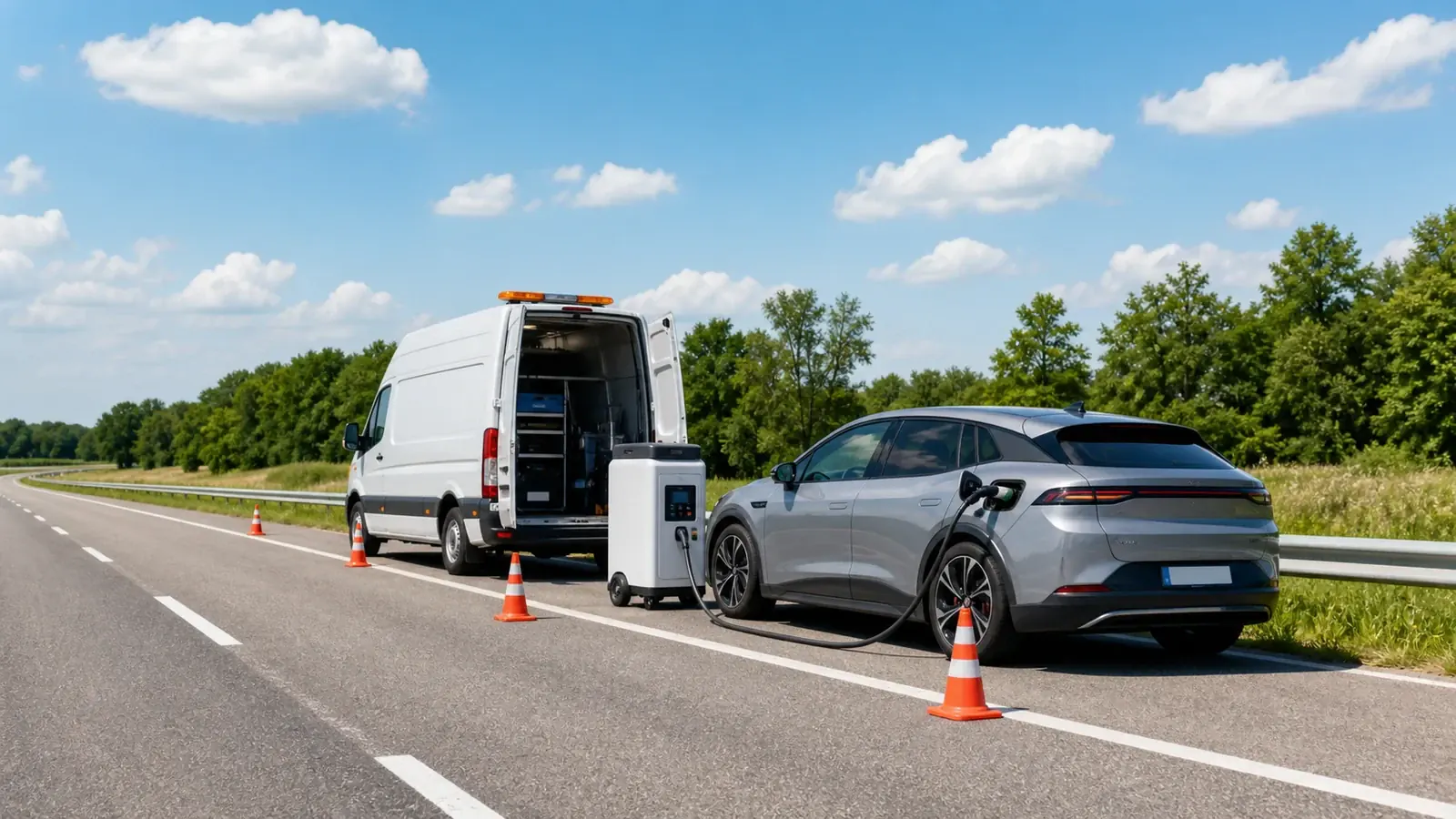
Untuk tim pemulihan yang membutuhkan konektor, voltase, dan energi yang benar di lokasi kendaraan.
Lihat solusi →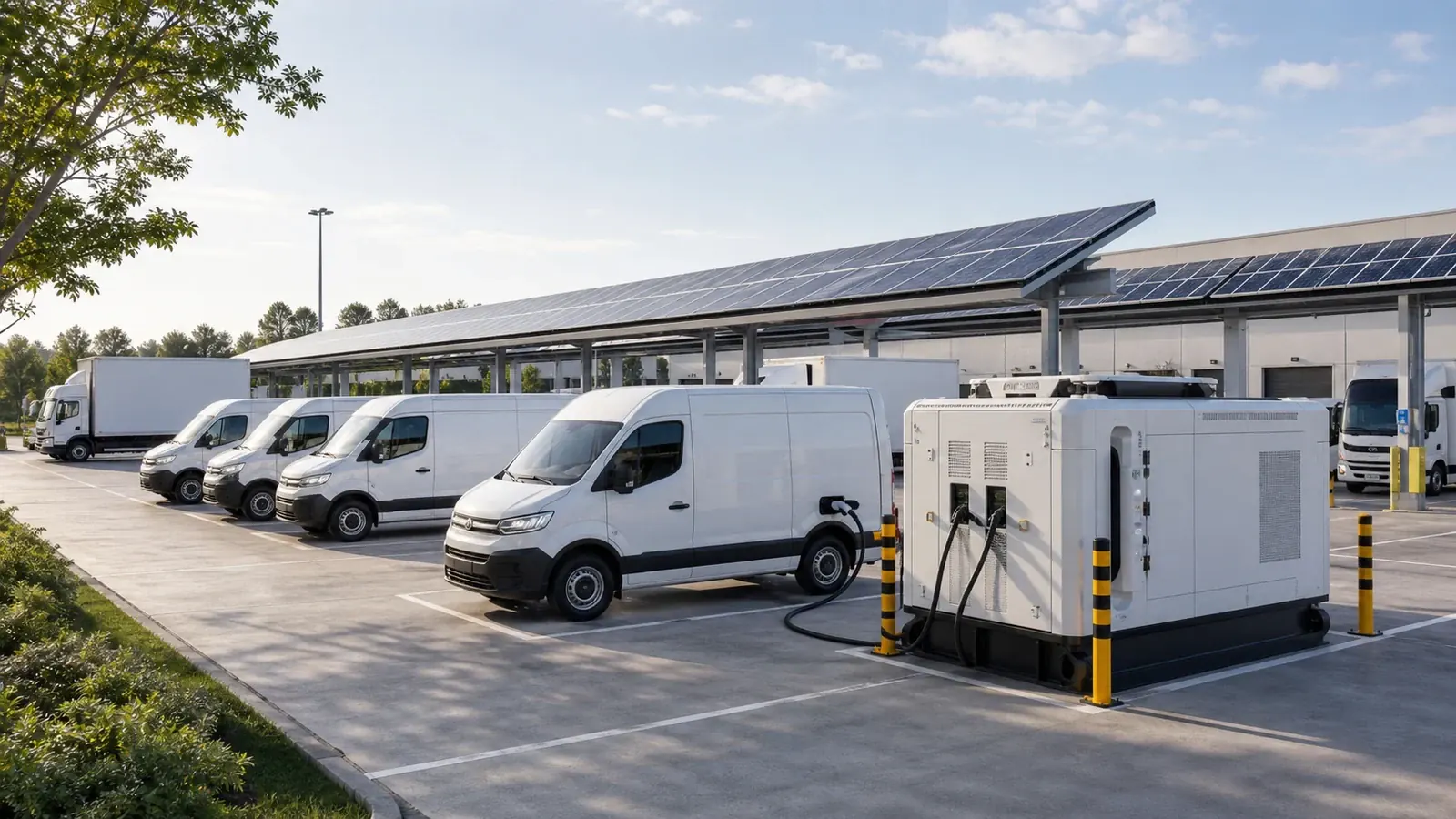
Untuk depot yang memerlukan lebih banyak posisi pengisian daya dibandingkan yang dapat didukung oleh koneksi jaringan listrik atau ruang tetap saat ini.
Lihat solusi →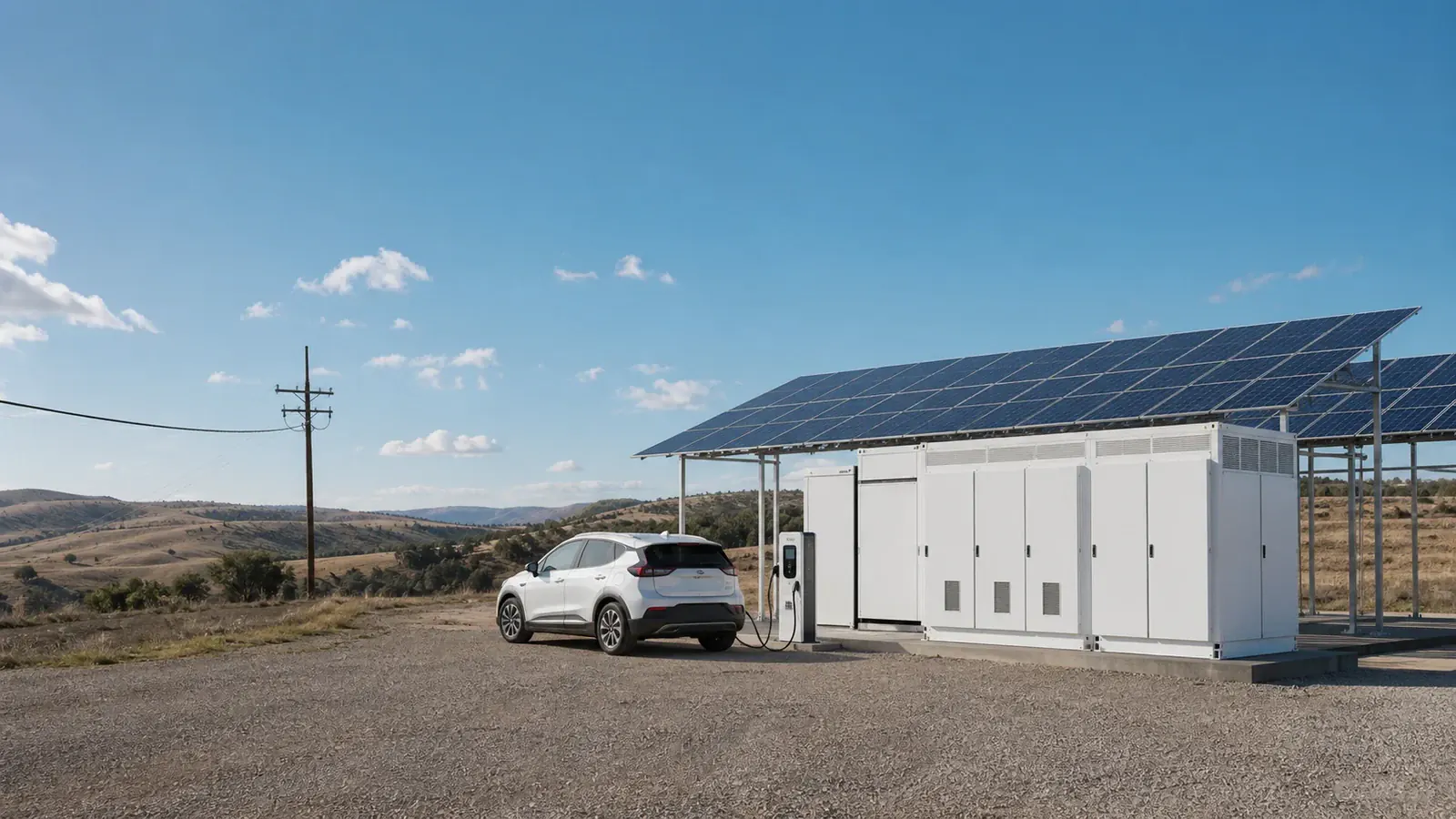
Untuk lokasi yang dapat mengumpulkan energi dari waktu ke waktu namun memerlukan keluaran yang lebih tinggi selama pengisian daya kendaraan atau beban puncak.
Lihat solusi →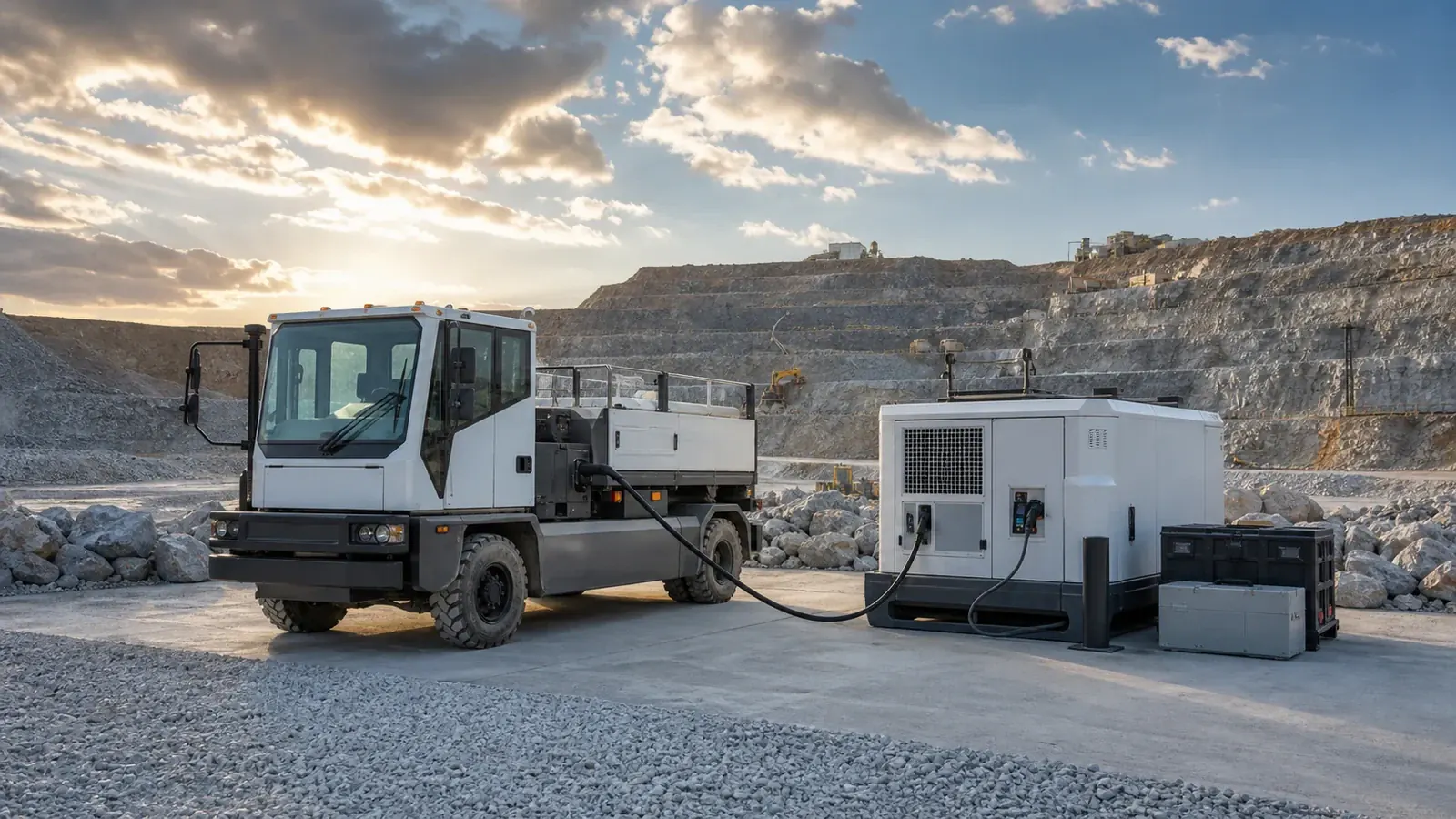
Untuk pertambangan, pelabuhan, dan pekarangan tempat kendaraan bekerja jauh dari infrastruktur pengisian daya permanen.
Lihat solusi →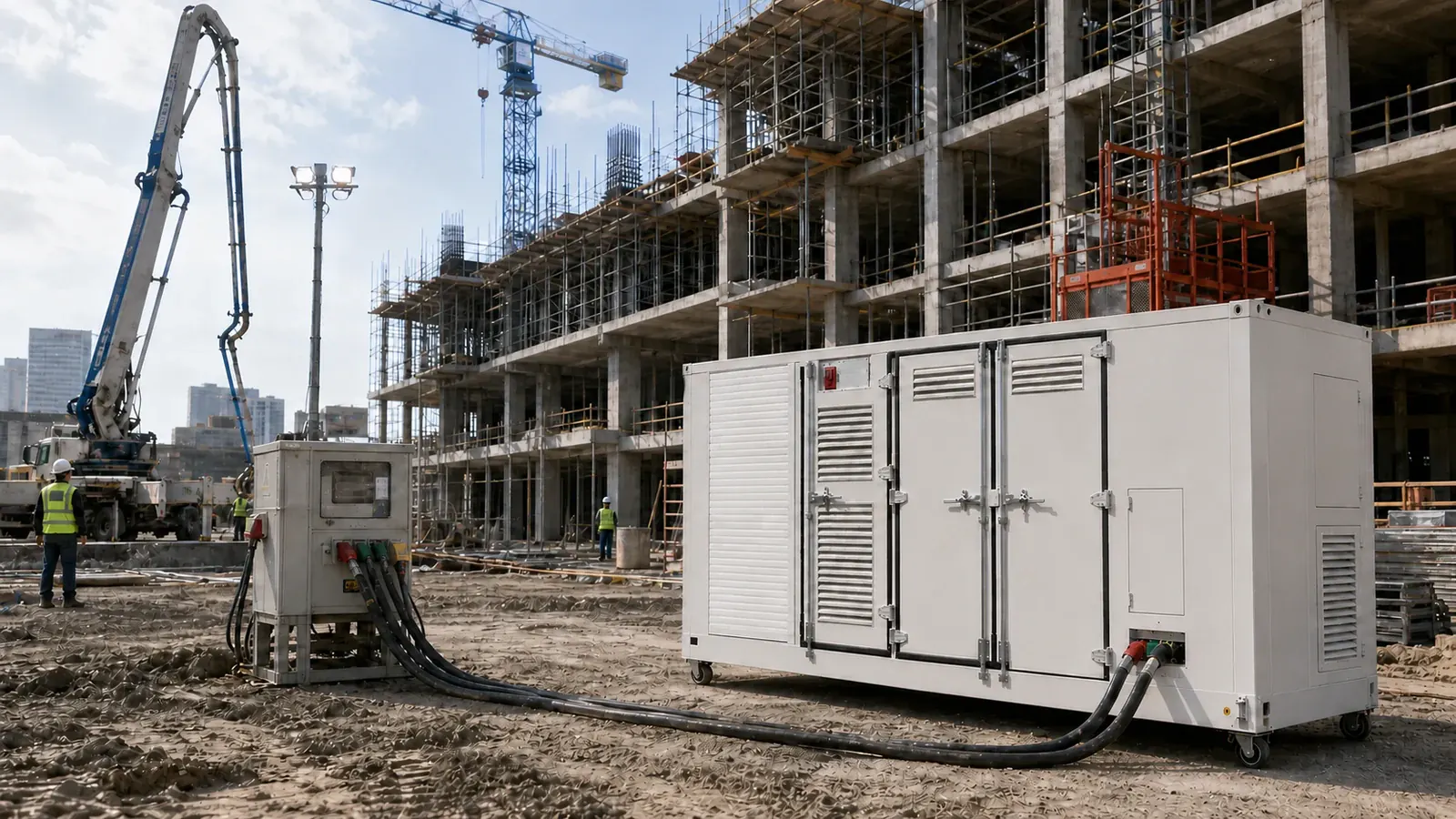
Untuk tahapan proyek yang memerlukan daya AC atau DC sementara sebelum distribusi permanen tersedia.
Lihat solusi →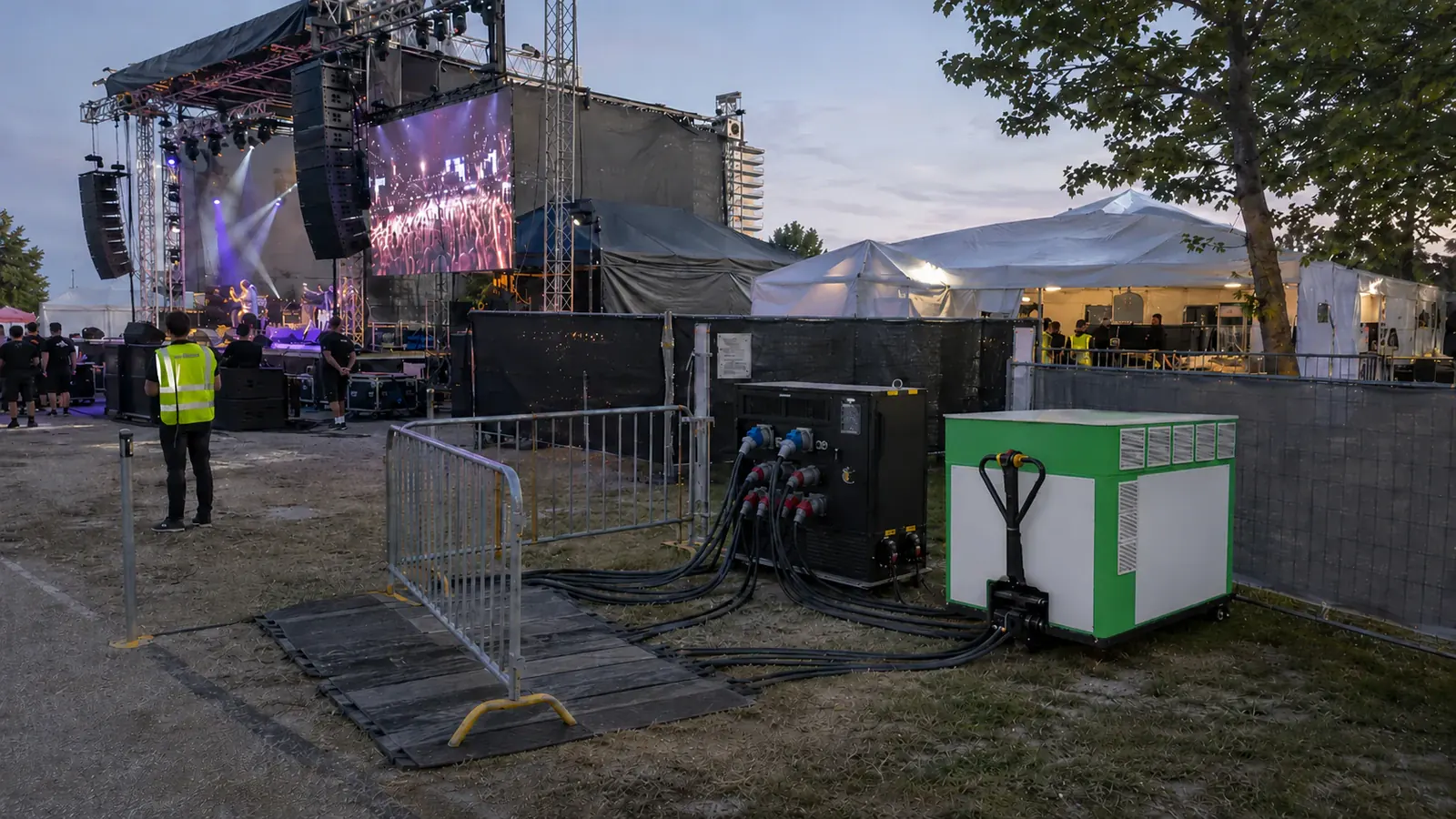
Untuk lokasi yang memerlukan listrik yang tenang dan dapat dipindahkan untuk jadwal beban dan periode pengoperasian yang ditentukan.
Lihat solusi →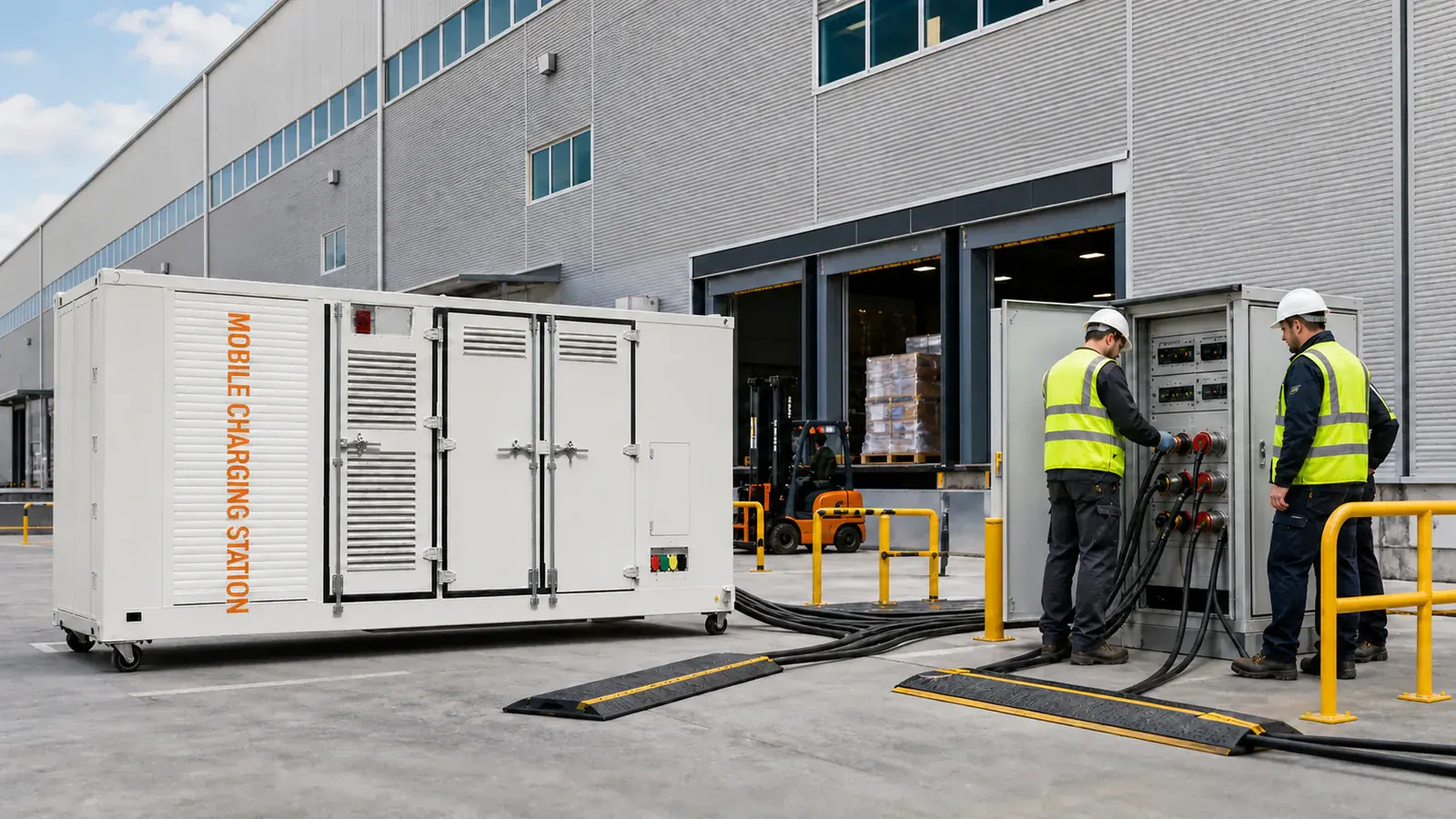
Untuk muatan pabrik, gudang atau komersial tertentu selama pekerjaan yang direncanakan atau batas kapasitas sementara.
Lihat solusi →