Preparar energía en la ubicación base.
Soluciones
Operaciones industriales remotas
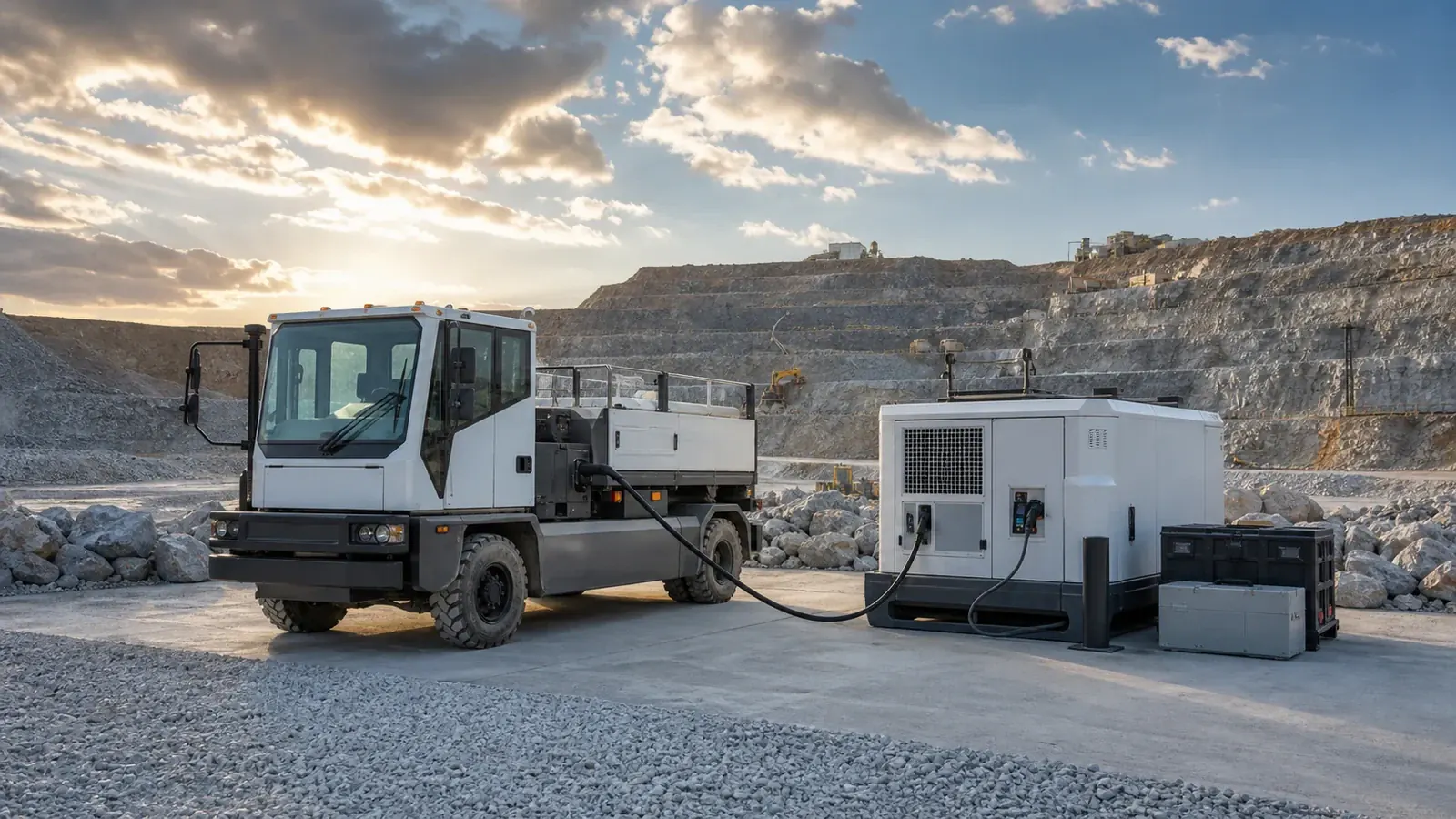
Traslade la energía almacenada a minas, puertos, astilleros y áreas operativas donde es difícil llegar a la infraestructura permanente.
Hablar del proyectoCambiar zonas de trabajo
Coloque la carga más cerca de los vehículos en minas, puertos y astilleros.
Los sistemas de energía móviles pueden seguir las zonas de trabajo cambiantes y soportar equipos seleccionados sin vincular cada carga a un puerto de carga fijo o a un punto de alimentación permanente.
Z200120G1000480Serie G2V
Aplicaciones habituales
- Sitios de minería y canteras
- Puertos y patios logísticos
- Mantenimiento remoto
- Zonas de operación temporales
Vistas de aplicaciones
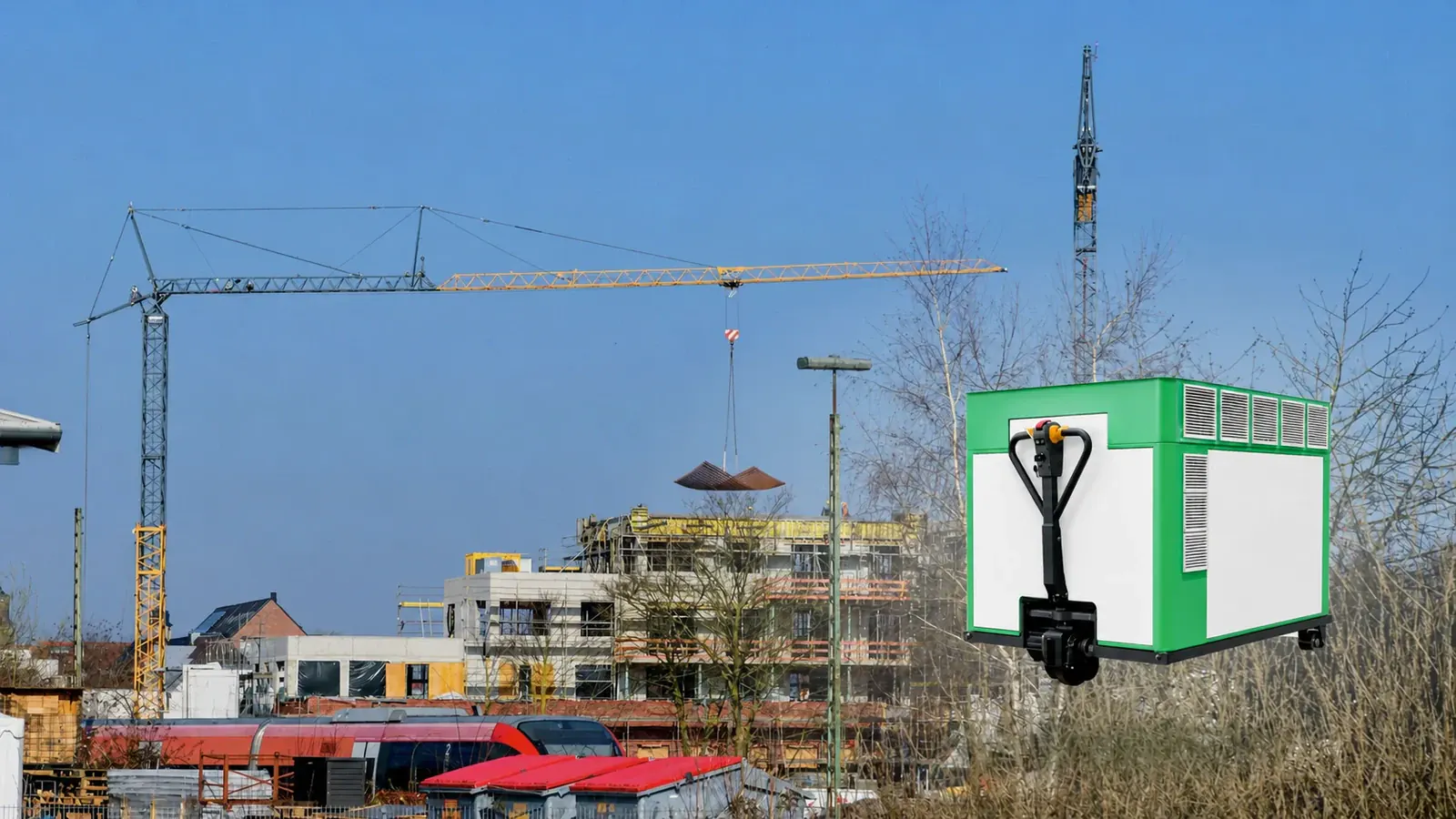
Ejemplos de carga industrial remota
Operación de campo
Planificar el transporte, el servicio de carga y el reabastecimiento en sitio.
Transporte o reposicione el sistema
Conéctate en la zona de trabajo remoto
Monitorear la descarga y la capacidad restante
Datos del proyecto
Información del sitio remoto requerida para la cotización
- Ruta de transporte
- Condiciones de polvo y temperatura.
- Ciclo de trabajo de carga
- Método de recarga in situ
Project FAQ
Size the application before selecting equipment.
Use these questions to prepare a technically useful quotation request.
What information is needed to plan remote operations?
Start with transport route, dust and temperature conditions, load duty cycle, on-site recharge method. These inputs determine the required power, usable energy, recharge window, interface and operating method before a model is proposed.
Which MAINERAY-selected equipment can support this application?
Z200120, G1000480, G2V Series are the initial equipment families to review. The final choice depends on the vehicle or load, available input, required runtime, transport route and destination-market requirements.
How are power, energy and recharge time sized?
Power in kW must cover the highest simultaneous load, while usable energy in kWh must cover the operating period. Recharge input and the available recharge window are then checked so the system can repeat the required duty cycle.