Estimar el tráfico pico
Utilice la tasa máxima de llegadas y la energía de sesión esperada en lugar del tráfico diario promedio únicamente.
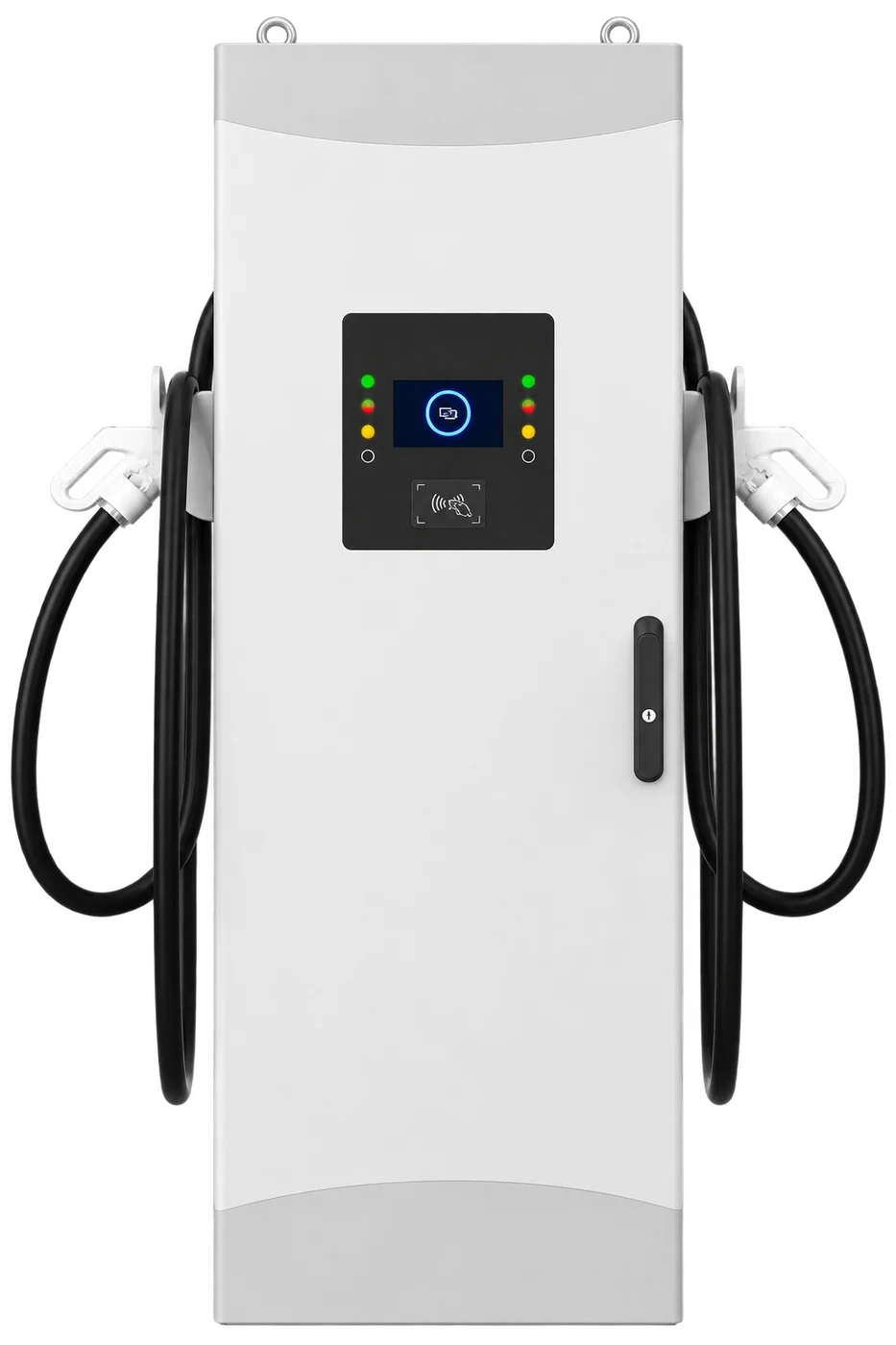
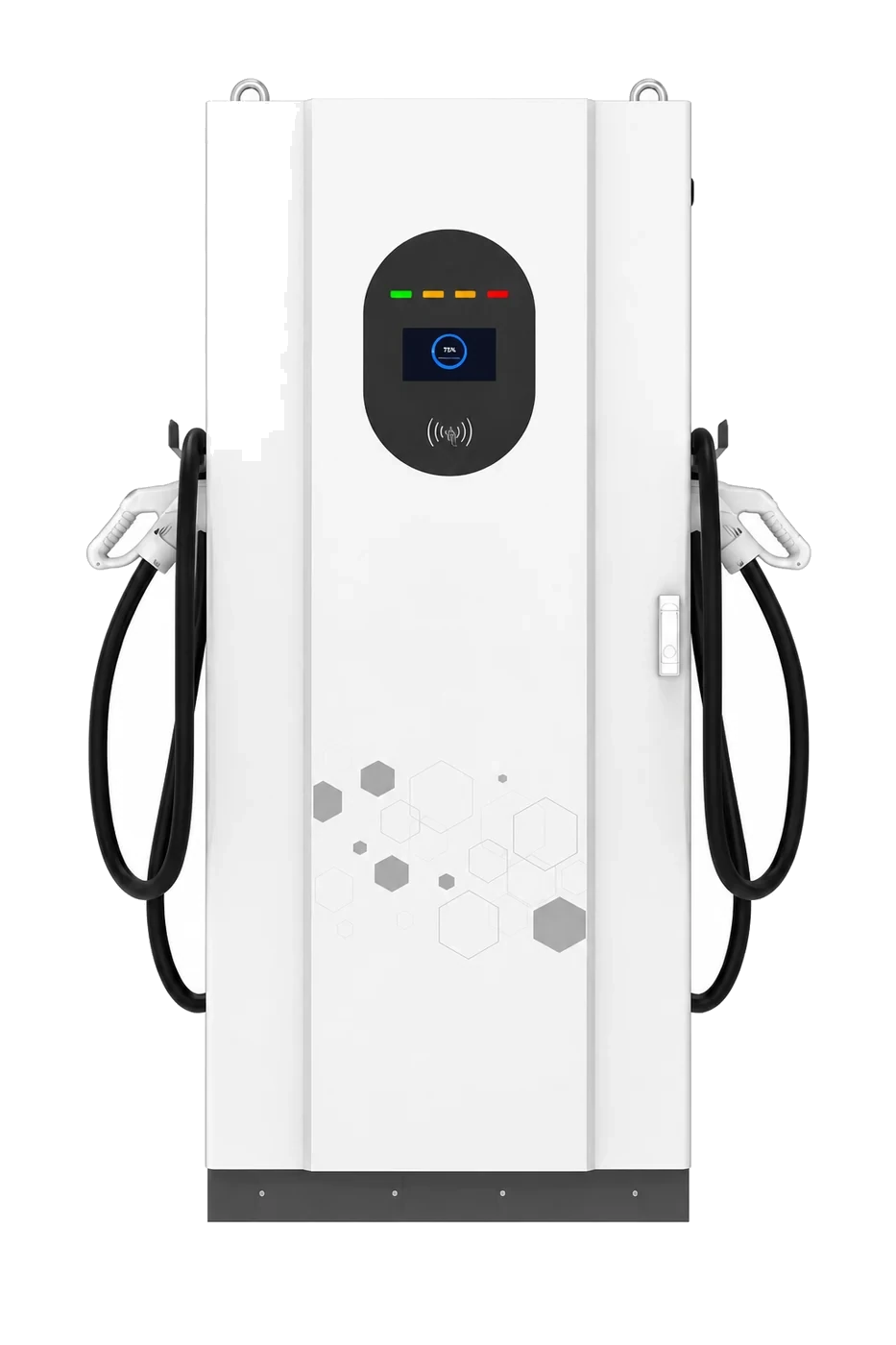
Planifique la carga de vehículos eléctricos de alta potencia para autopistas, estaciones de servicio y sitios de venta minorista de combustible con un tiempo de permanencia corto, redundancia, pago y expansión futura.
Los sitios de las carreteras necesitan cambios confiables cuando el tráfico cambia. La potencia del cargador, la disposición de los conectores, la redundancia, la capacidad del transformador y la capacidad de expansión deben evaluarse como un sistema de un solo sitio.
Utilice la tasa máxima de llegadas y la energía de sesión esperada en lugar del tráfico diario promedio únicamente.
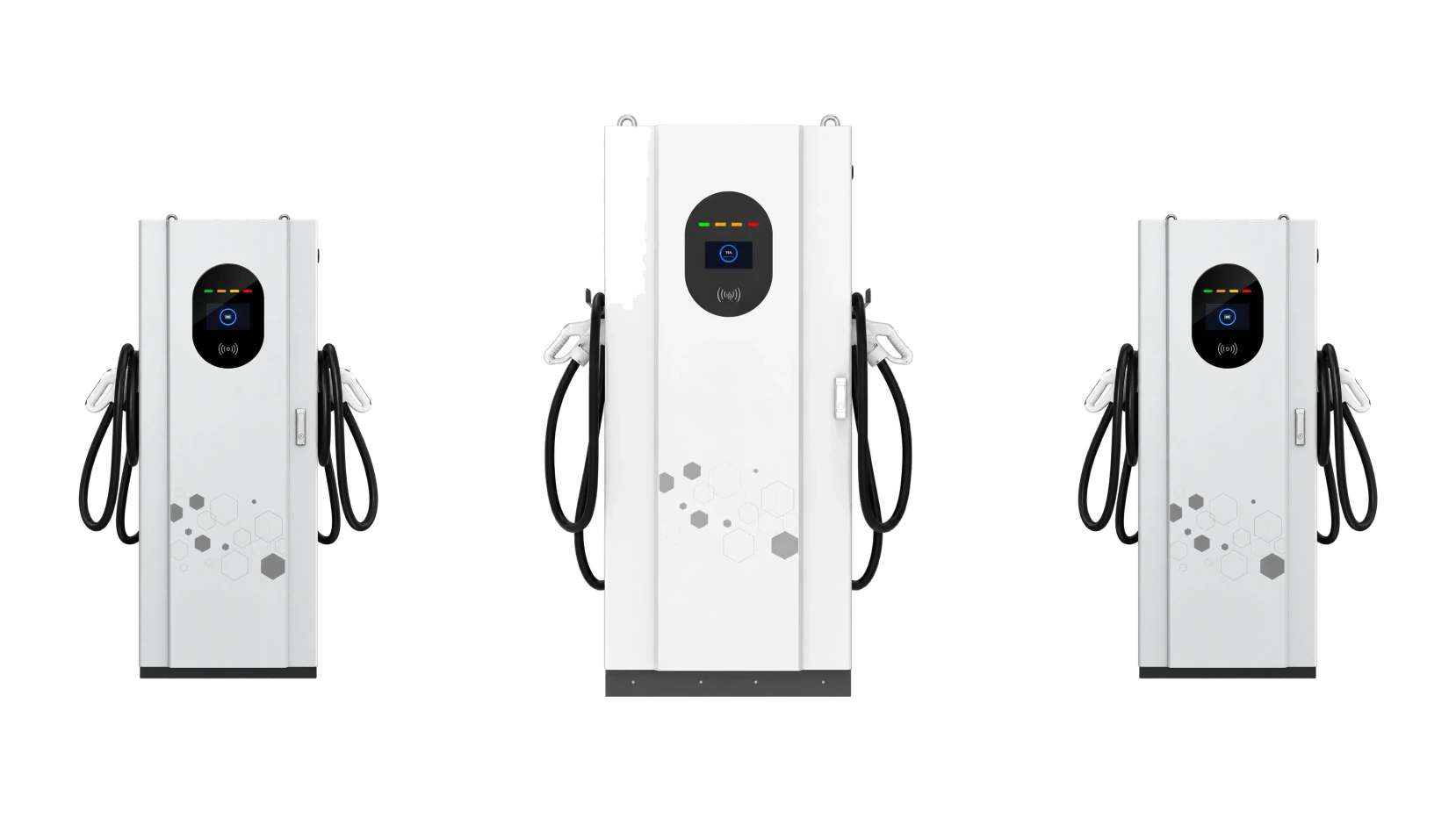
Compare los cargadores integrados de 120 a 480 kW con sistemas divididos que pueden asignar energía entre varios dispensadores.
Revise el alcance del conector, manejo de cables, terminal de pago, pantalla, iluminación, monitoreo remoto y acceso al servicio.
El tamaño final depende del vehículo, el conector, la demanda simultánea y la potencia disponible del sitio.
La marca, la documentación, la integración y el alcance de la garantía entregados se corresponden con el pedido final.
Un sistema dividido es útil cuando un gabinete de energía central debe asignar salida a varios dispensadores o cuando el sitio necesita un camino más despejado para una futura expansión del compartimiento.
No. La potencia de carga real está limitada por el vehículo, la temperatura de la batería, el estado de carga, el conector, el cable y la configuración del cargador.
Confirme el mercado de destino, los requisitos del terminal de pago, el proveedor adquirente, el flujo de trabajo QR, las necesidades de recibos, el backend de OCPP y la parte operativa responsable.